October 28, 2026 · 3 min
Electrical panel upgrade DIY: what the rules allow, and what they cannot make safe
Some jurisdictions let a homeowner pull a permit for their own panel. That answers the legal question. It does not answer the one about the service conductors that stay energized.
Searches for a do it yourself panel upgrade come from people who are handy, who have wired circuits before, and who see a large quote for what looks like a day of work. The question deserves a straight answer: in some places it is legal, and in almost every case it is one of the most dangerous jobs in a house.
What the law says depends on where you live
Some jurisdictions issue homeowner permits for electrical work on a single family home the owner occupies, often with a test or an affidavit. Others require a licensed electrician for any panel or service work. The building department’s website or counter will tell you which applies. The general permit question is covered in do you need a permit.
The utility usually has its own view
Even where the building department allows a homeowner permit, the utility may only disconnect and reconnect the meter for a licensed contractor, or may have its own requirements for the meter base. A panel replacement cannot be done safely without disconnecting the service, so the utility’s rules often decide the question in practice.
Why the main breaker does not make it safe
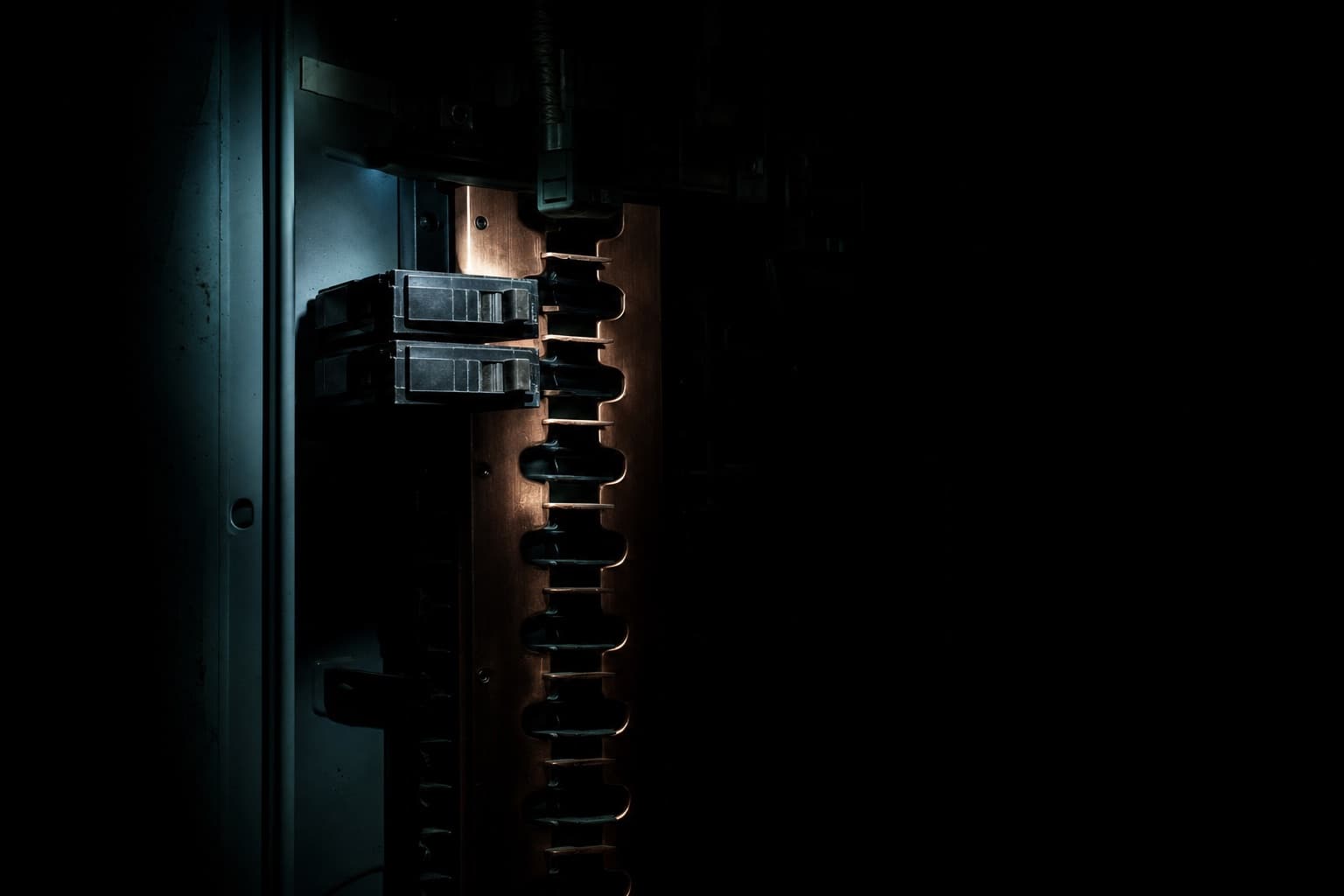
Turning off the main breaker de-energizes the branch circuits. It does not de-energize the conductors coming in from the meter, which remain live up to the main lugs. Working in a panel with those conductors energized is how experienced electricians get hurt. Without a utility disconnect, a panel swap is live work.
Insurance and resale
Insurers may ask who did electrical work after a fire, and buyers’ inspectors look for permits on recent panel replacements. Unpermitted work, or work that is permitted but done by someone without a license where one is required, can complicate a claim or a sale. A permitted, inspected homeowner job is in a better position than an unpermitted one, but it still carries your name on it.
Where homeowners genuinely help
There is useful work an owner can do: map every circuit and what it feeds, clear the space around the panel, list future loads such as a charger or a heat pump, and gather the information for the load calculation. That preparation shortens the electrician’s time on site and improves the result. The panel upgrade page describes what the electrician needs to know.
Lower risk alternatives to a full upgrade
Sometimes the need behind the search is a charger, not a panel. A load management device, a lower amperage charger circuit or a subpanel fed from existing capacity can avoid a panel upgrade entirely. A load calculation tells you which options are open. The planning side is on permits and project planning.
If you still decide to do it
Get the permit, arrange the utility disconnect in writing, follow the manufacturer’s instructions and the adopted code edition, and book the inspection before the utility reconnects. If any of those steps is not possible where you live, that is the answer to whether you should do it yourself.
Be honest with yourself about the parts of the job you have never done: service entrance conductors, grounding electrode systems, bonding of water and gas piping. Those are the items inspectors find most often on amateur panel work, and they are also the ones that matter most for safety.
The cost question, honestly
The labor in a panel upgrade quote pays for more than the hours on site: the load calculation, the permit, the utility coordination, the inspection, and the liability the electrician carries for the work. Doing it yourself saves part of that and takes all of the risk and the paperwork onto you. For some owners, a better saving is to compare several licensed quotes on the same scope, and to do the preparation work themselves.
Want the panel question answered before the quotes?
Your panel rating, the charger you want and where it will go. Four questions, then a call.