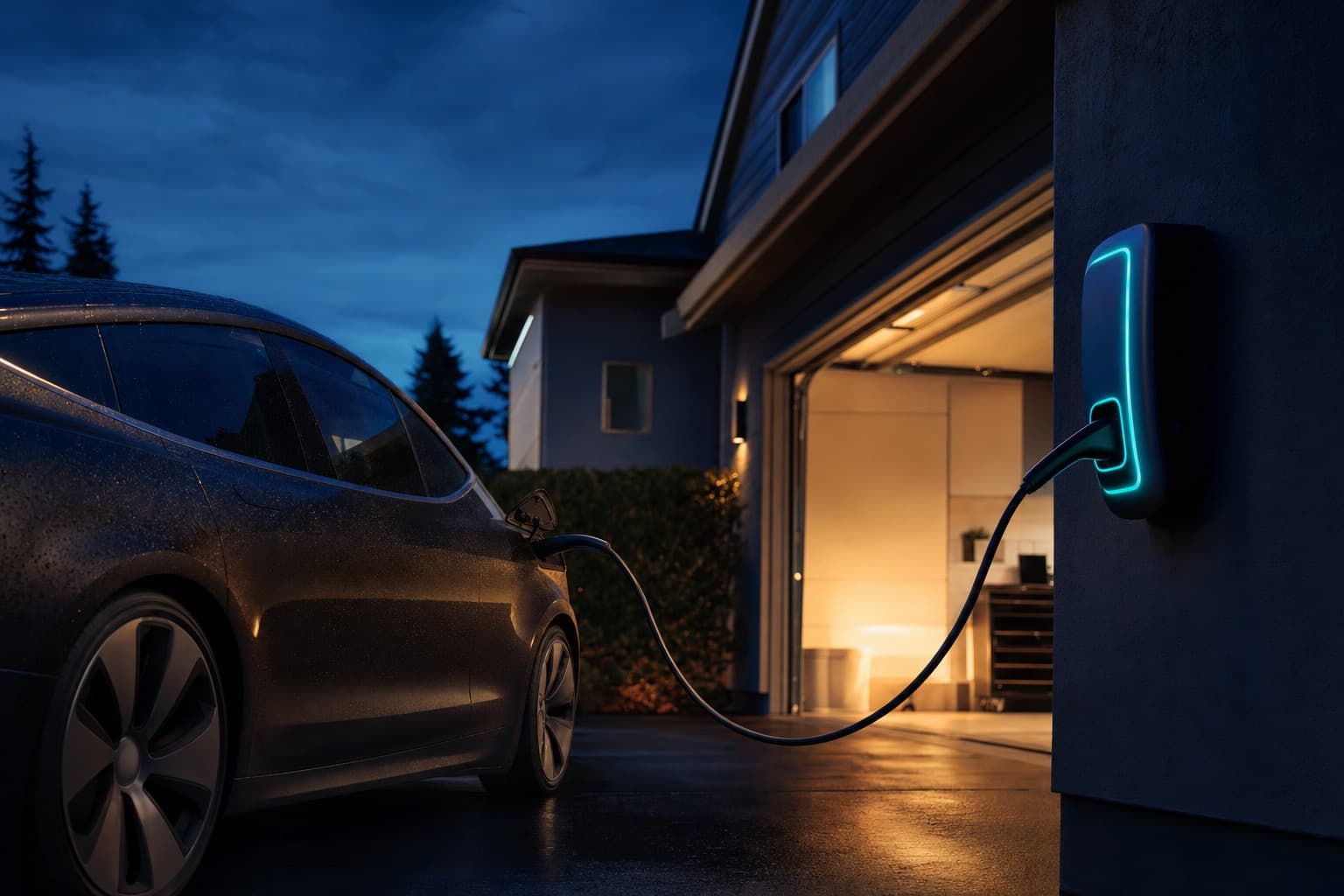
Homes, condo garages, workplaces
A Level 2 installation is a 240-volt circuit, the panel work it depends on, and a device on the wall. The device is the part you shop for. The other two are the part that decides the number.
The circuit
A dedicated 240-volt circuit, sized for a load that runs for hours rather than minutes. Nothing else shares it.
The panel
A load calculation decides whether your service can carry that circuit. It is a calculation, not an opinion, and it either passes or it does not.
The paperwork
A permit where the jurisdiction requires one, and an inspection that closes the job. The inspection is the part that makes the work provable.
What the circuit actually does
Hours at close to full current, night after night

Before
The unit is on the wall and nothing is drawing. This is where most quotes stop looking: at the device, which is the cheapest part of the project.
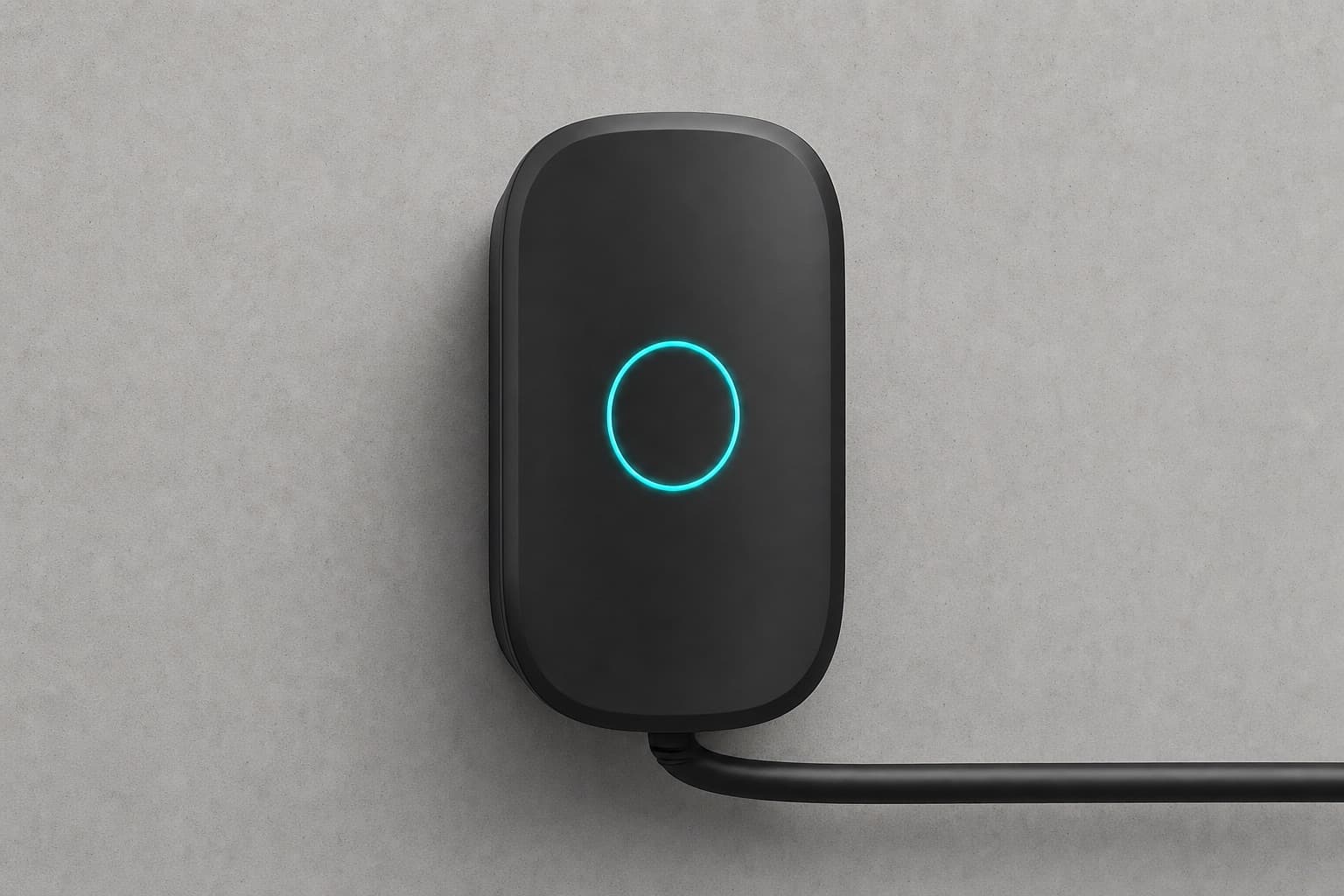
During
The circuit carries close to its rated current for hours, night after night. That is why the breaker, the conductors and the protection are sized above the load rather than to it.
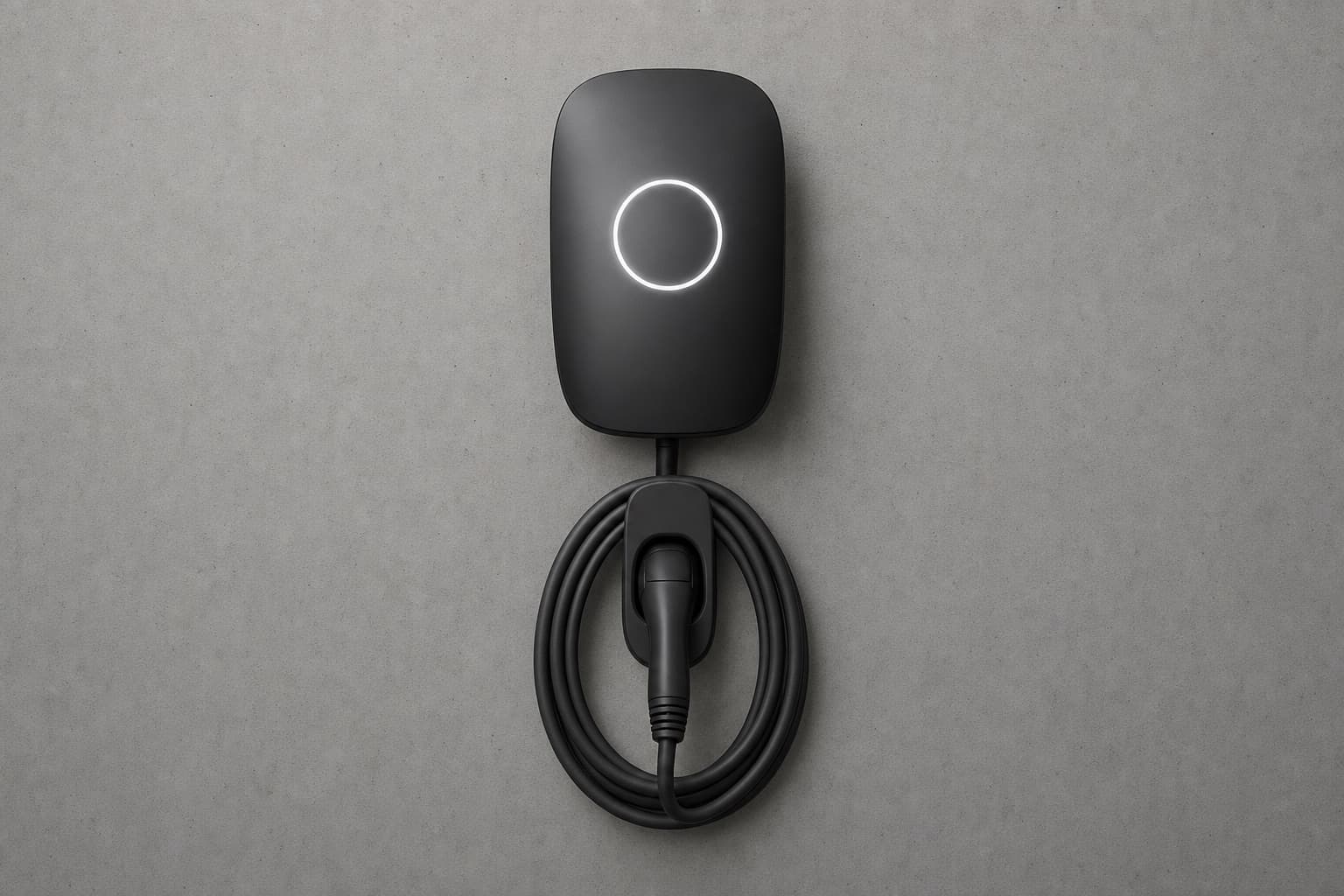
After
The inspection closes the job. It is the part that makes the installation provable the day a property is sold or a claim is made.
A quote after someone has looked, not before
Four questions here, a call back, and a site visit when the property needs one. What comes out of it names every line: the circuit, the run, the panel work if there is any, the permit, the inspection.
Level 2 Charge Pro installs Level 2 charging equipment: the dedicated 240-volt circuit, the panel work it depends on, the cable run, and the inspection that closes the job.
- No published price list, because the panel decides and every panel differs.
- No hardware sold at a markup you cannot see.
- No call from anybody but us.
Where these go
Five installations, five different problems
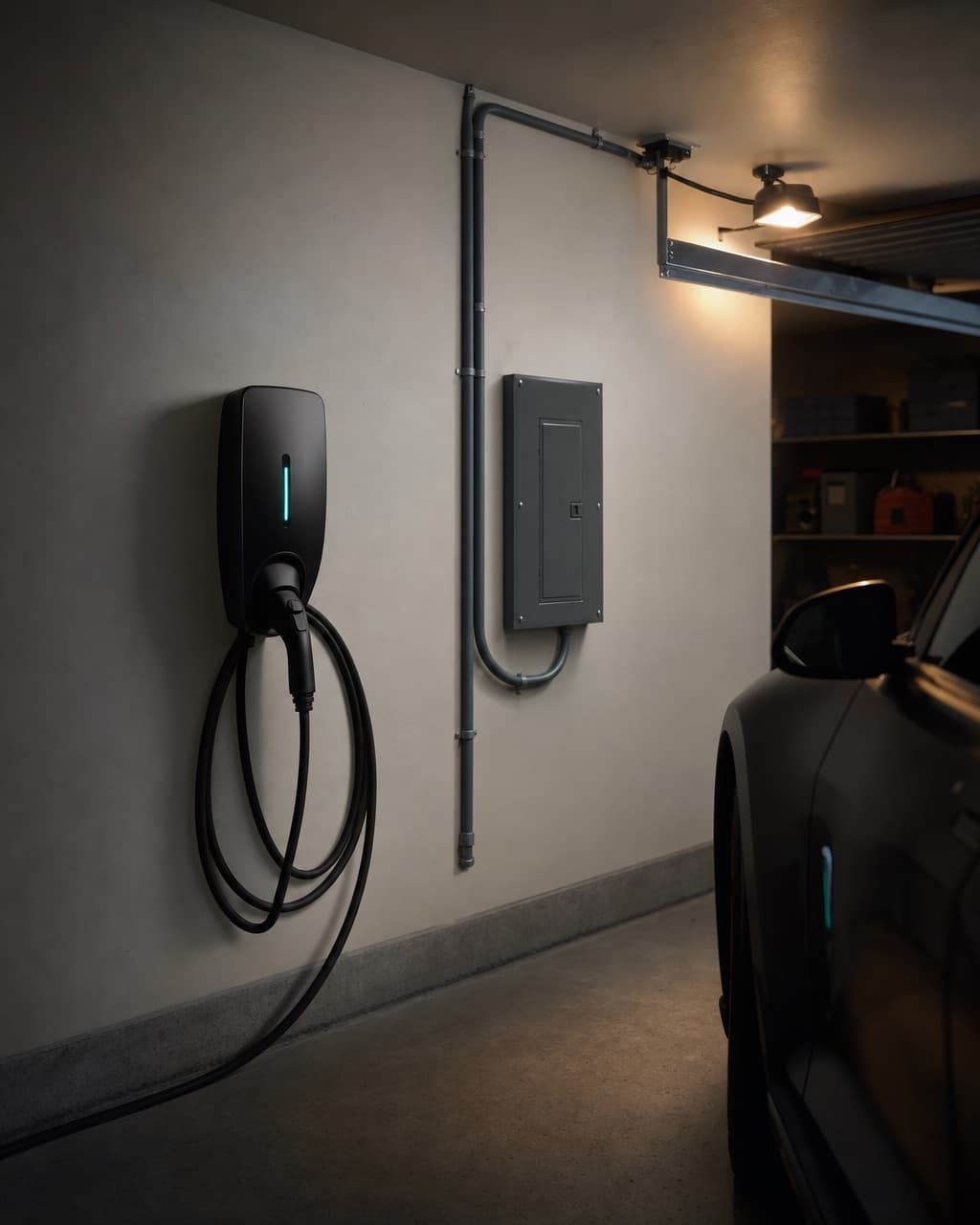
Residential
Attached garage
Residential
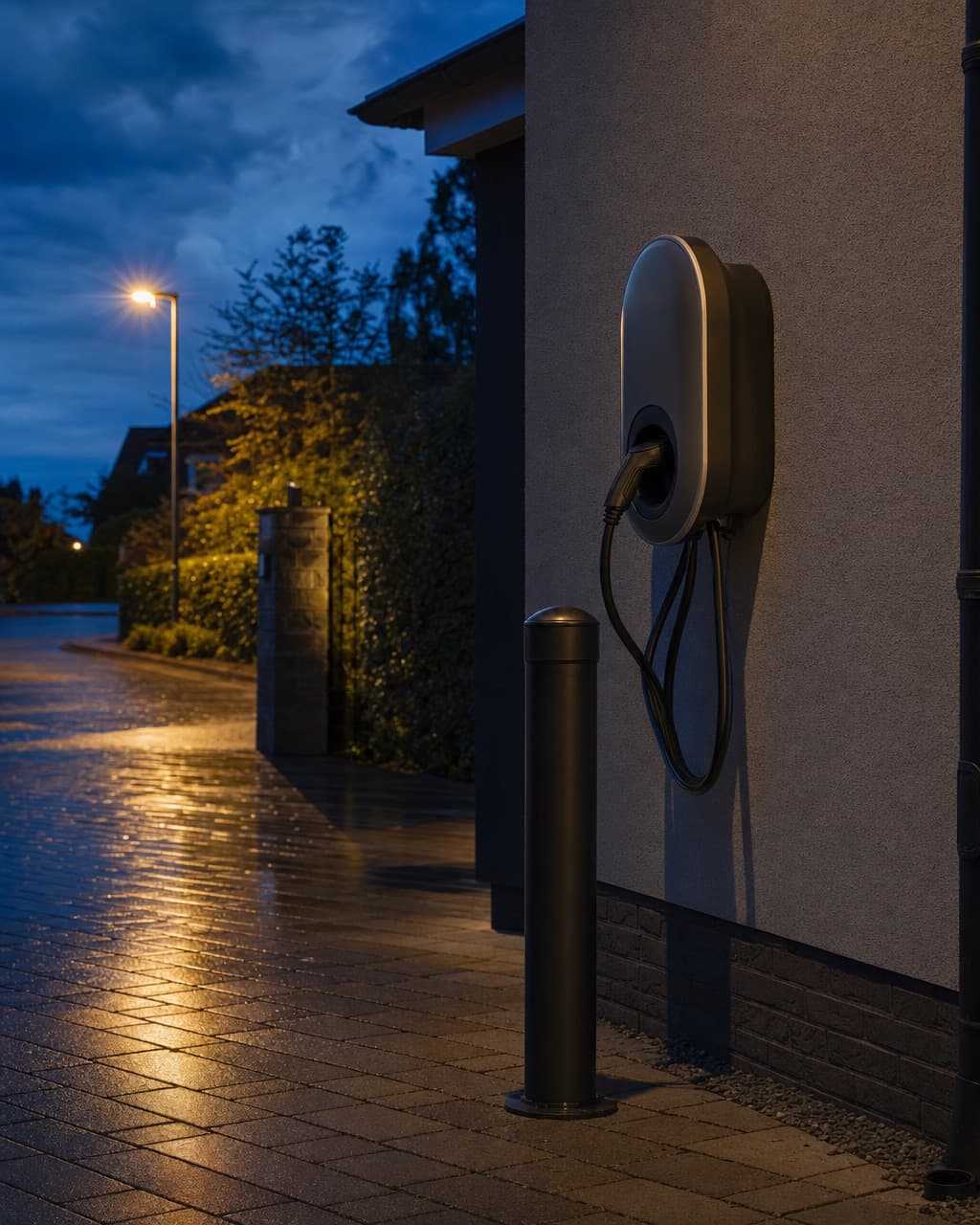
Driveway, exposed
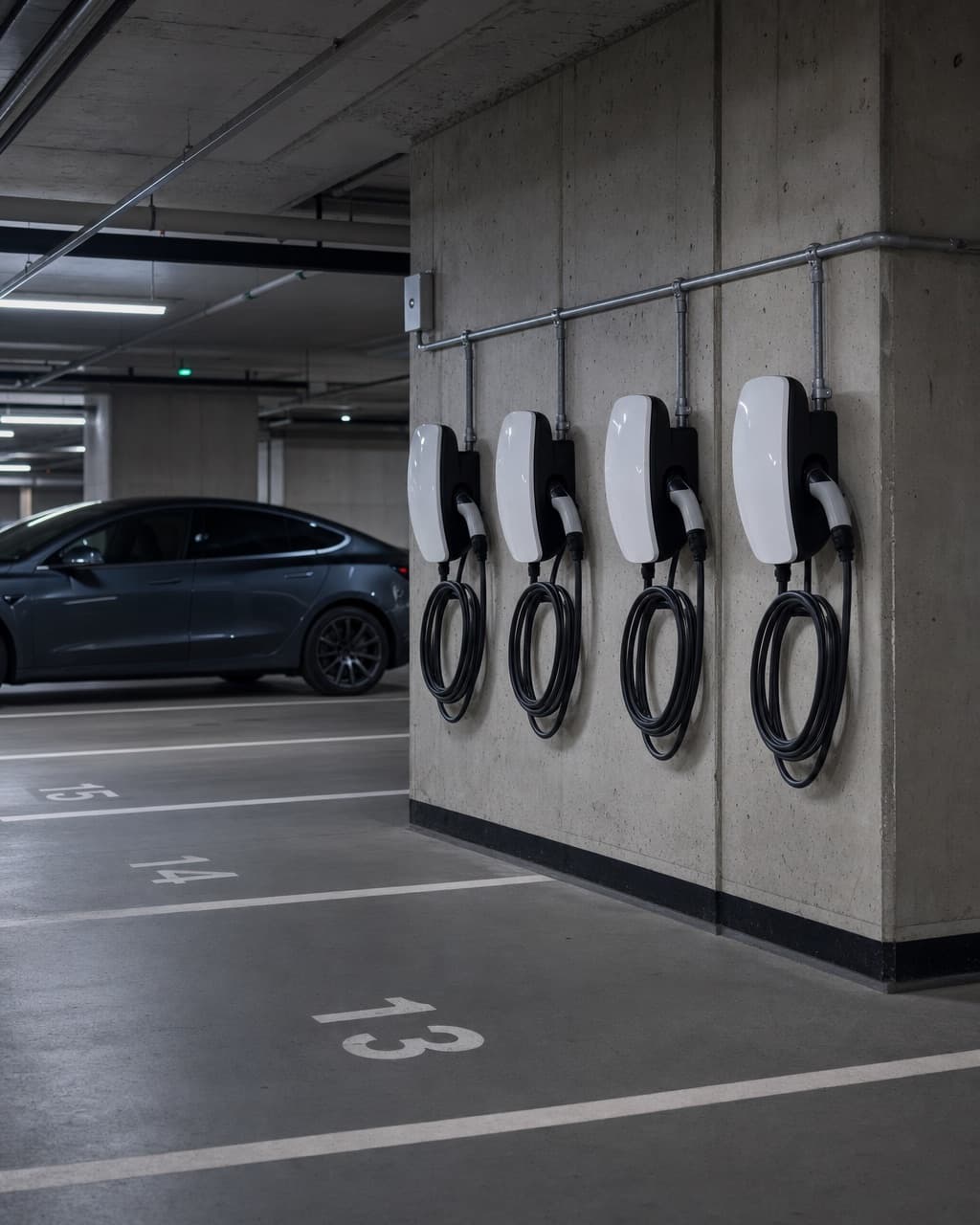
Multifamily
Shared garage
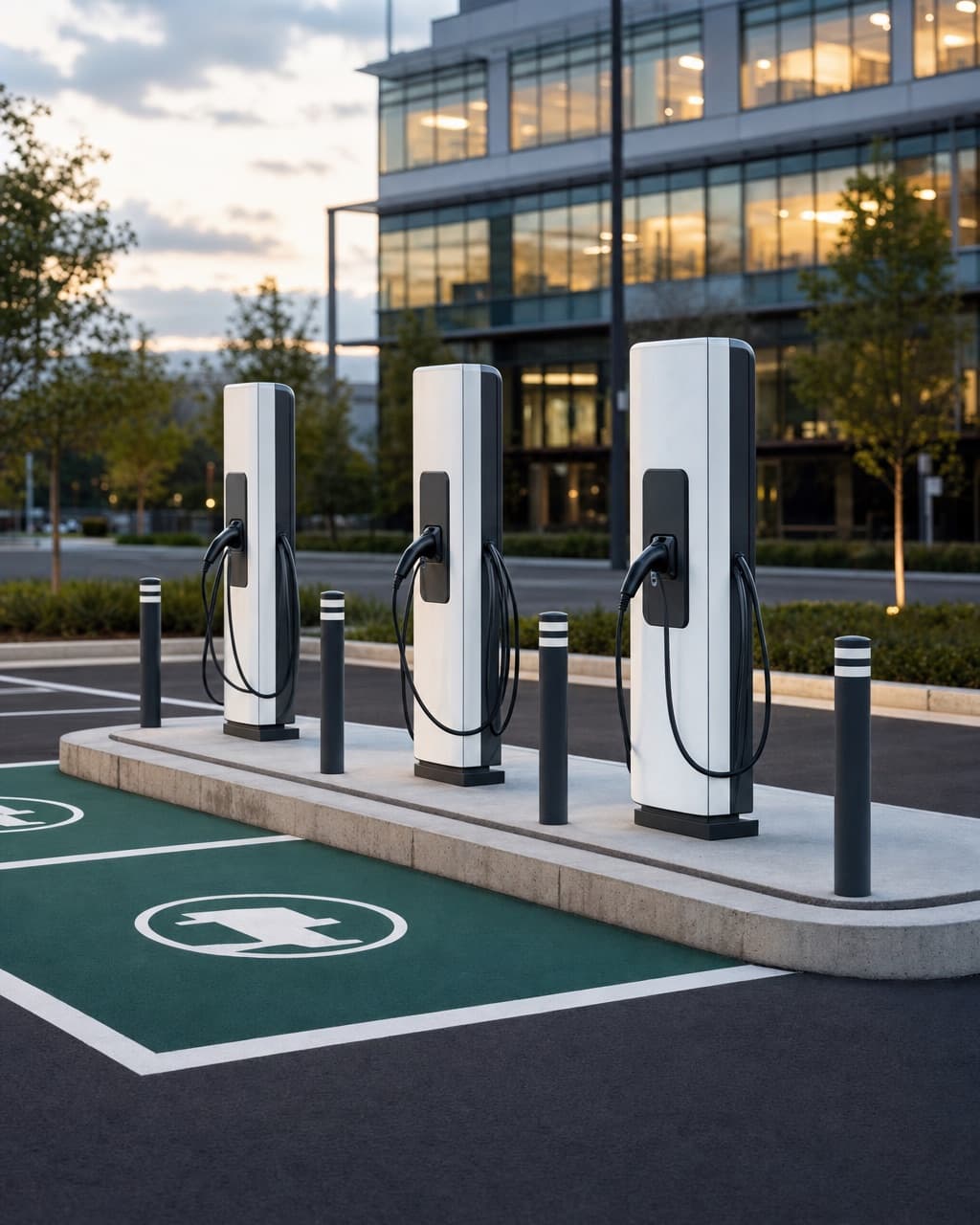
Commercial
Workplace island
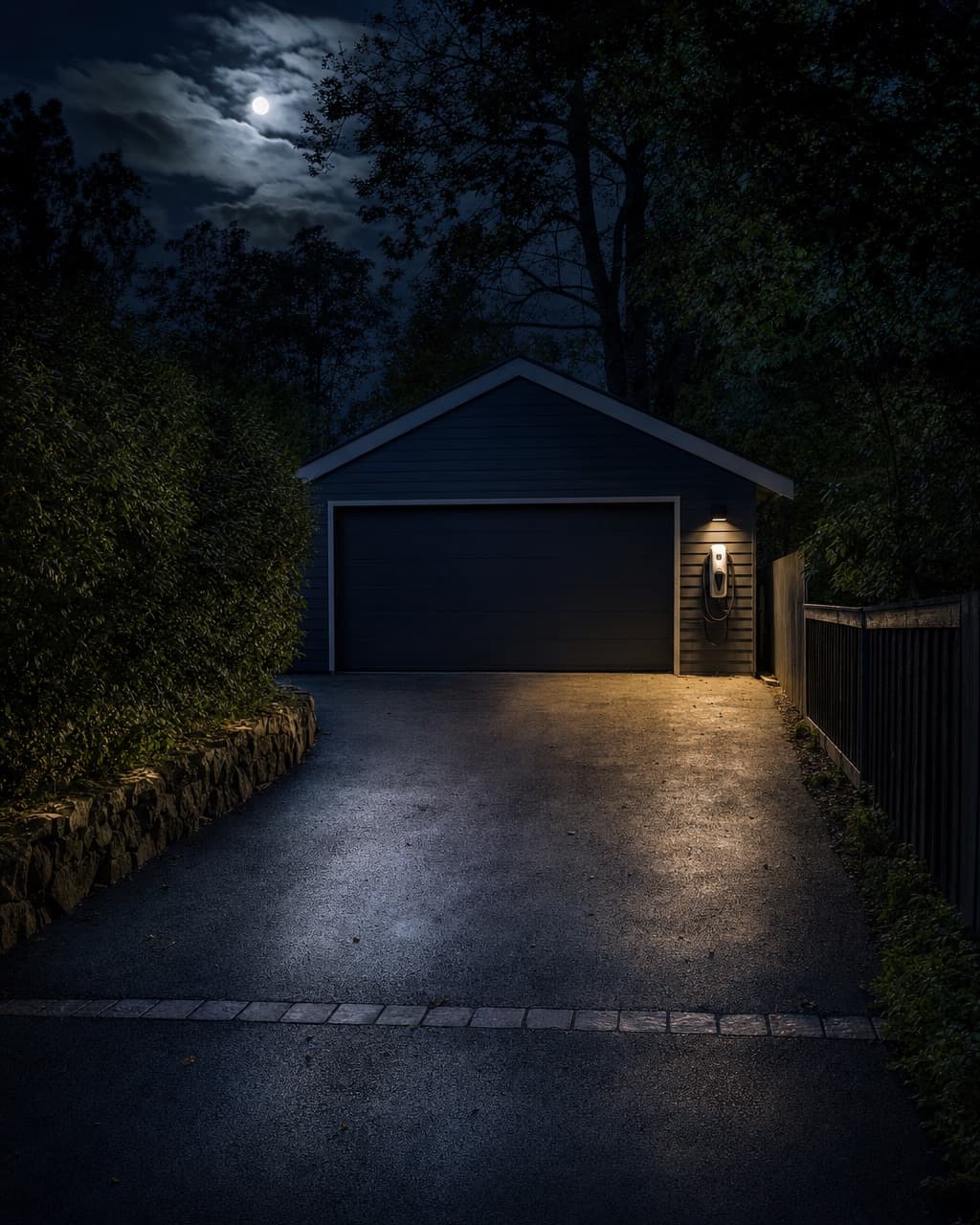
Residential
Detached garage
Three properties, three different problems
The electrical work is similar. What differs is who has to approve it and how far the circuit has to travel.
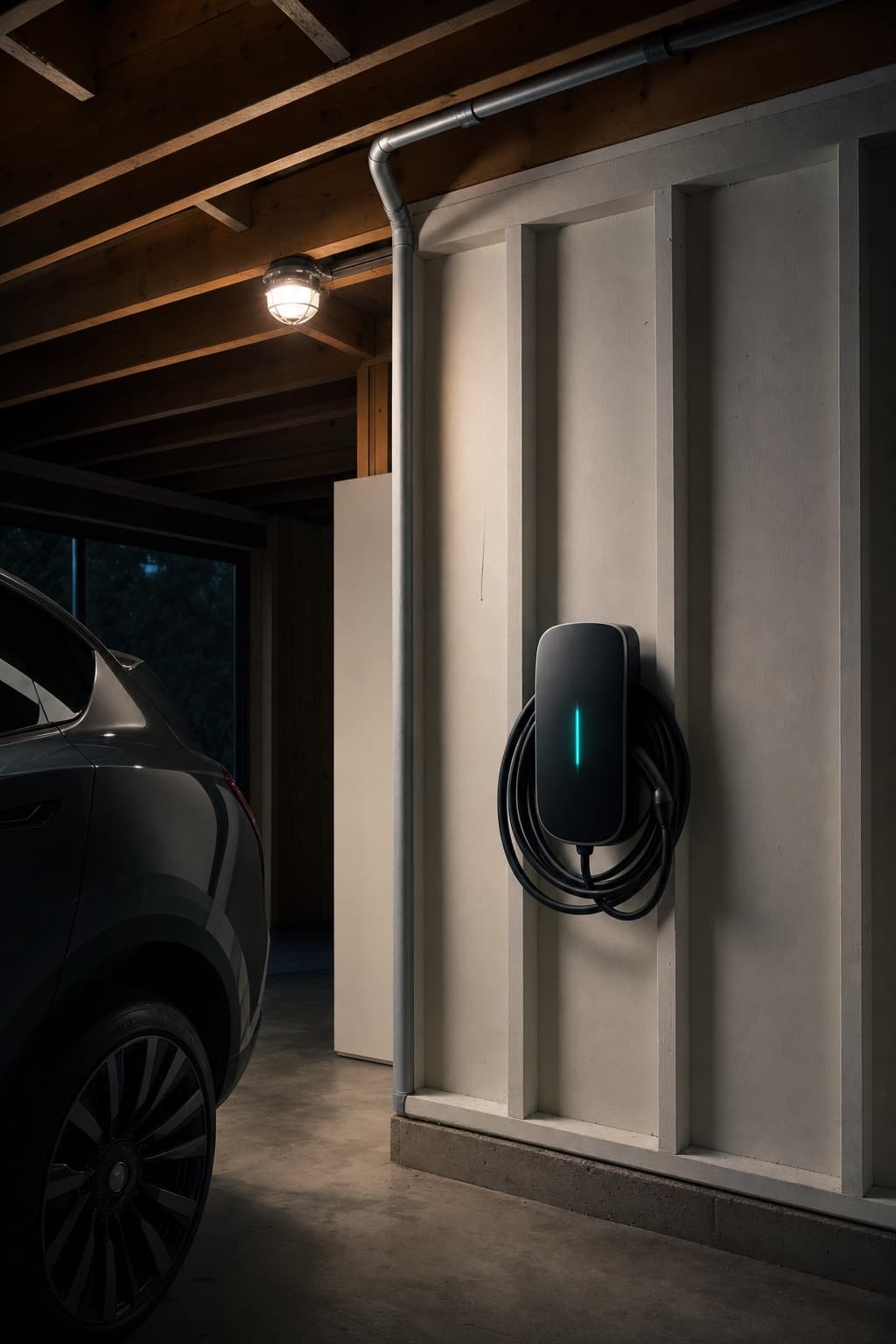
Single-family home
Attached garage, detached garage or driveway. The distance to the panel decides the day.
See what changes→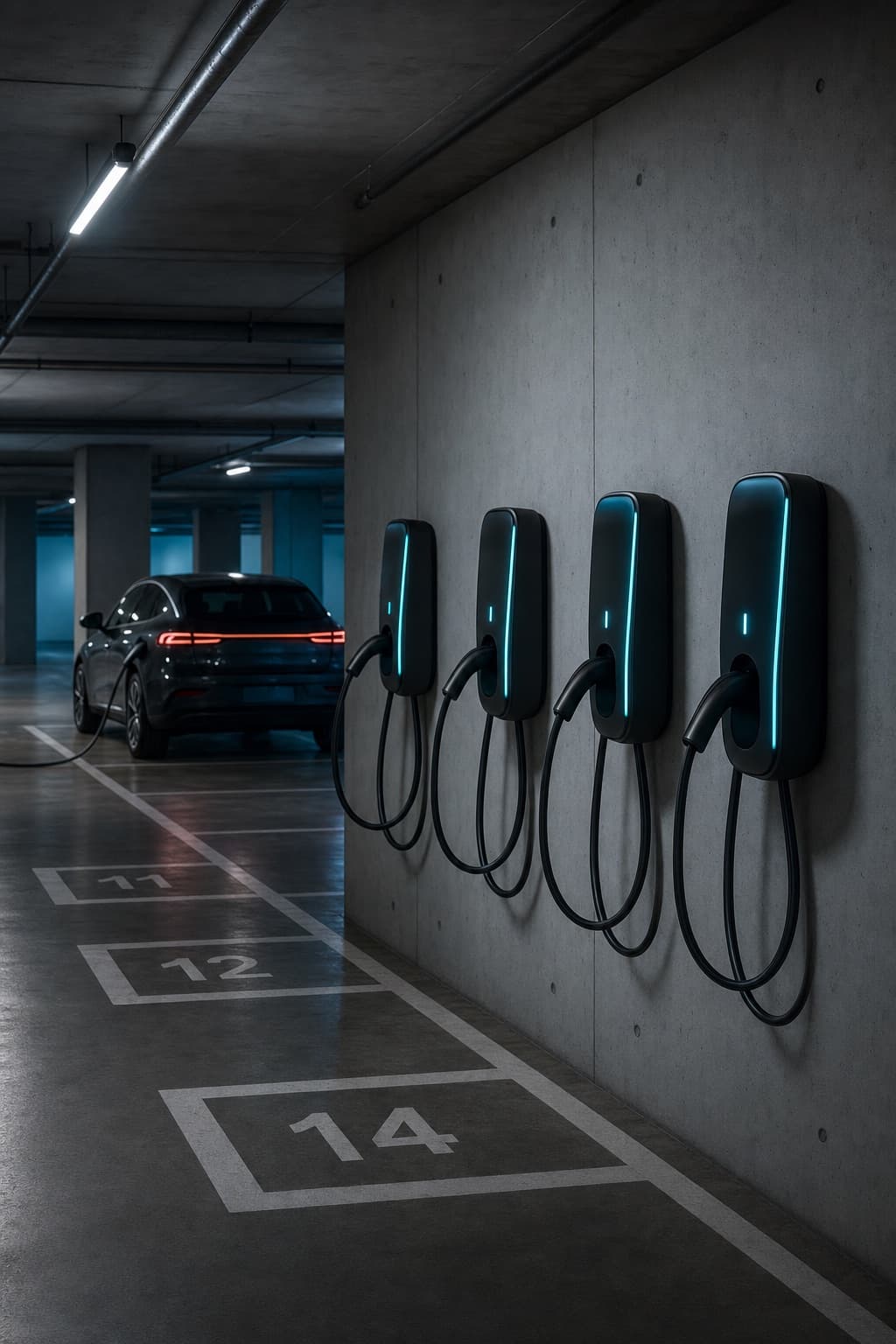
Condo and apartment
Approval first, metering second, electrical work third.
See what changes→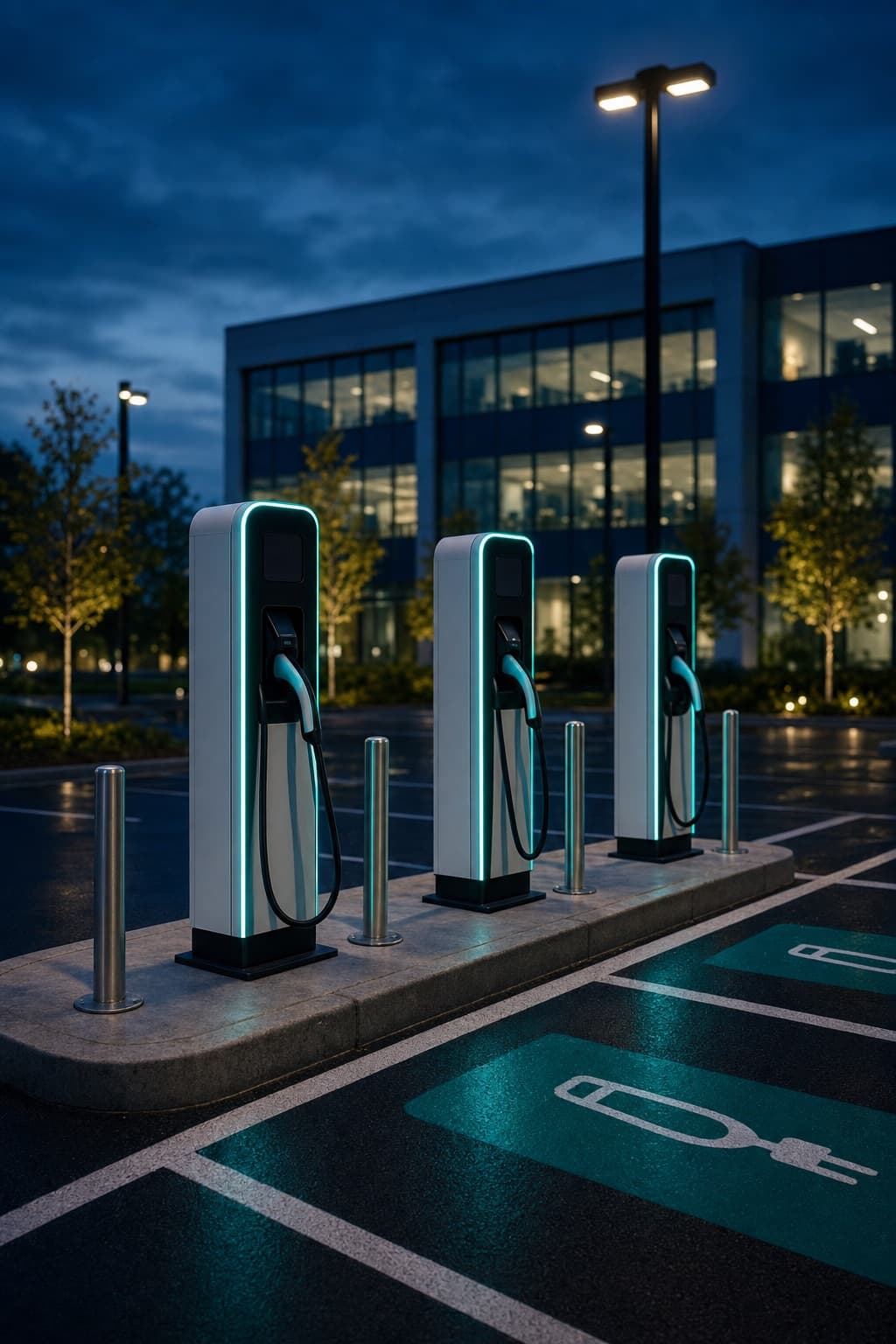
Workplace
How many ports the service can actually carry, before anyone buys hardware.
See what changes→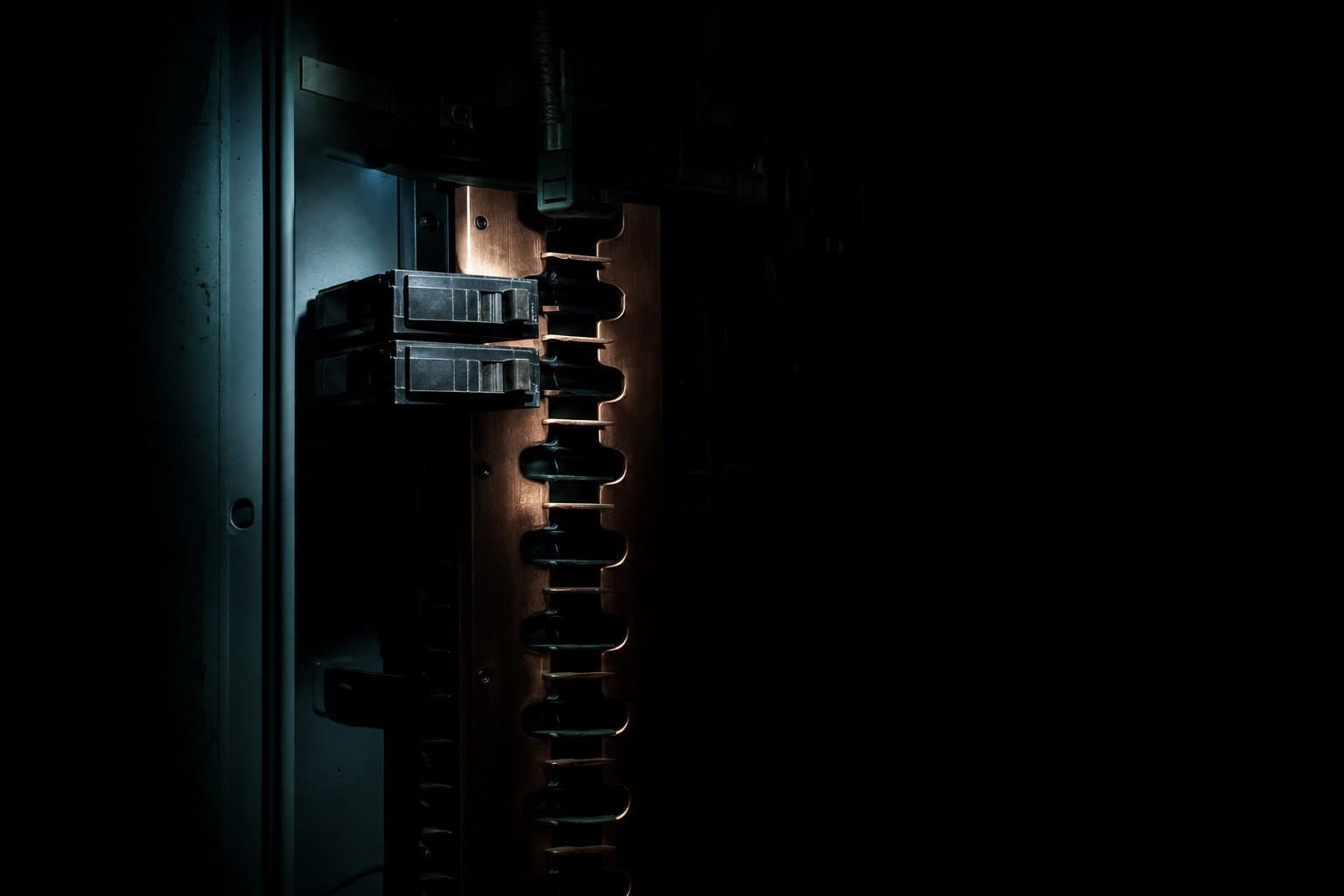
The panel decides
A panel can be physically full and electrically fine, which is a cheap problem. It can also be half empty and electrically maxed out, which is not. Only a load calculation tells the difference, and it is the step that gets skipped by whoever quotes a service upgrade first.
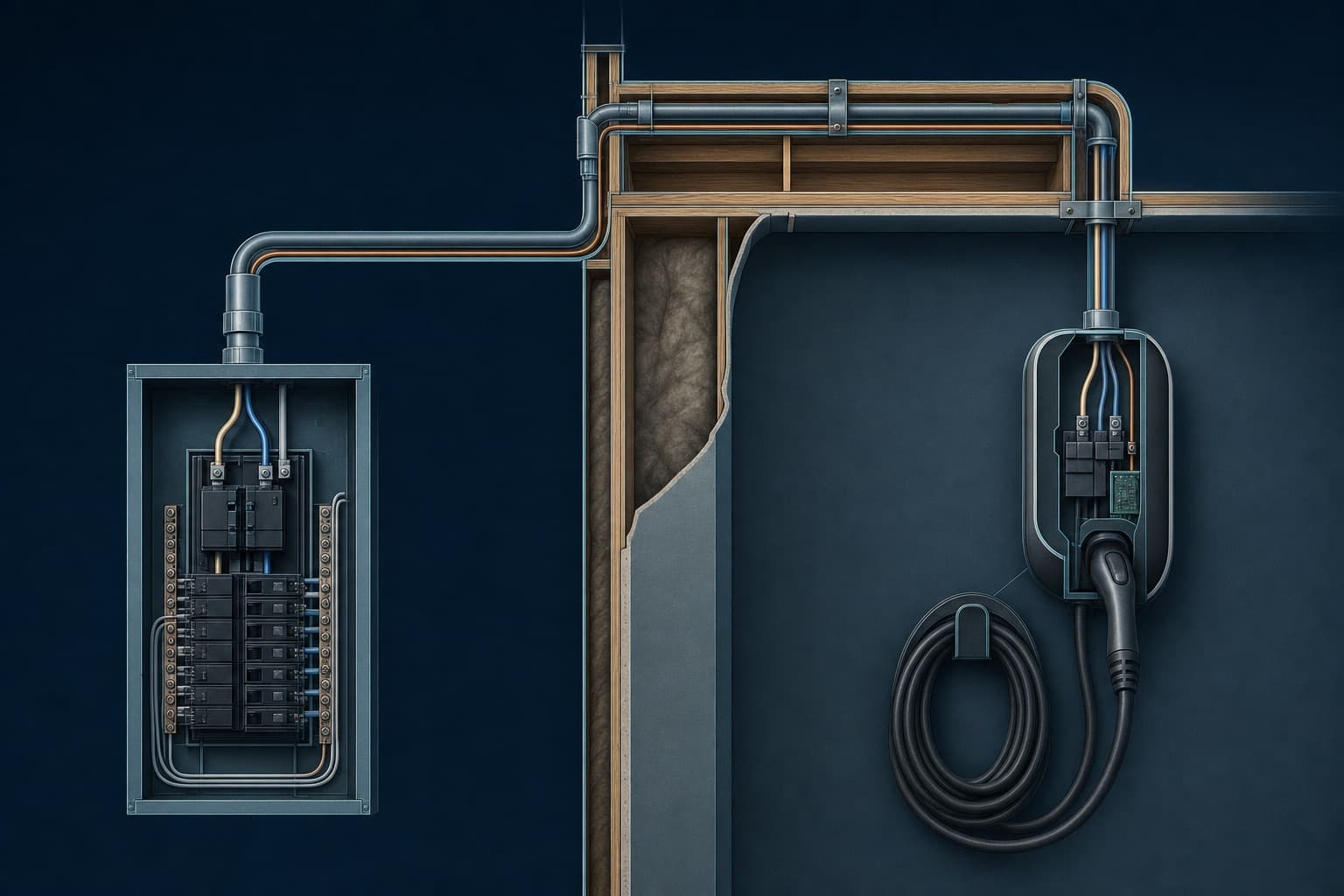
What is actually installed
Everything between the breaker and the wall
A double-pole breaker in the panel, conductors sized for a continuous load, a run that has to cross whatever is between the panel and the parking space, and the unit itself. Two quotes for the same charger can differ by a factor of three, and the charger is never the reason.
Three questions that come up every time
Why is no price shown on this site?
Because the two variables that decide it, the spare capacity in your panel and the distance from it to the parking space, cannot be seen over the phone. What a quote is made of is broken down on the cost page.
Do I need a permit?
In most jurisdictions, yes, and we pull it. It is also the step that decides the schedule rather than the price. The sequence is set out on permits and planning.
Hardwired or plug-in?
Plug-in is easier to replace and easier to take with you. Hardwired is required above a certain output and is the only option outdoors in some jurisdictions. Both are covered under requirements.
Four questions, one call back, then a number that names every line. The panel size is our problem to establish, not yours to guess.